
How to Blend Families Beautifully in Your Wedding Ceremony
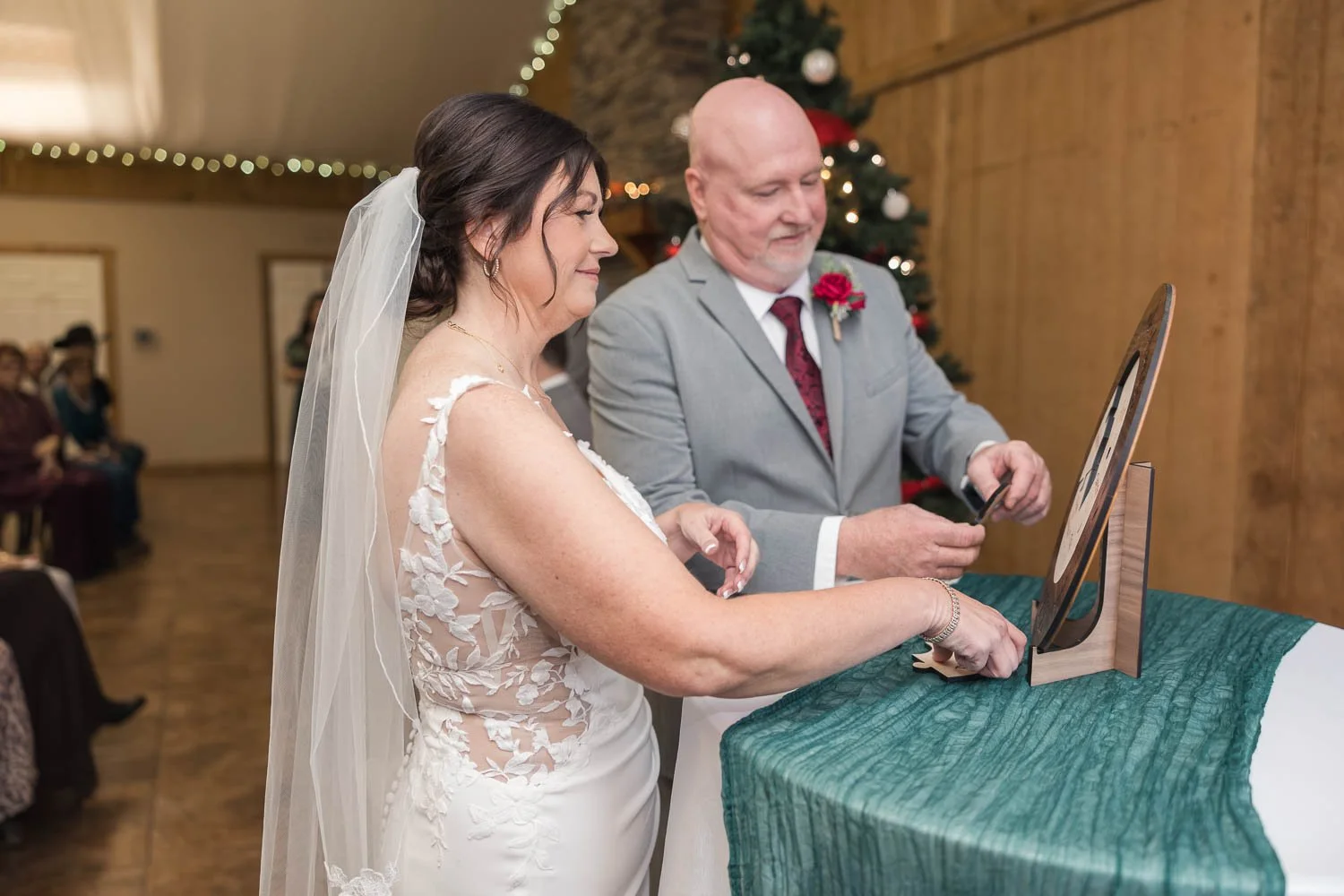
Blended family ceremonies are incredibly common — and they can be some of the most beautiful moments of the entire day. When you’re not just joining two people, but two families, the ceremony carries extra weight. There’s joy. There’s excitement. And sometimes, there are big emotions. If you’re planning a wedding that includes children becoming part of your new family structure, here are a few thoughtful ways to make it meaningful without making it uncomfortable.
Keep It Simple
One of the biggest mistakes couples make is trying to create a grand, emotional production around blending families. The truth? Simple is usually better.
Consider understated unity elements like:
A sand ceremony
A short family prayer
A small puzzle piece ceremony
A candle lighting
These are symbolic without being overwhelming. If children are young especially, they may not feel comfortable speaking in front of guests or participating in something emotionally heavy. A short, simple moment is often far more meaningful than something elaborate. The goal isn’t performance. It’s connection.
Remove the Pressure
Wedding days are joyful — but they are also a big change. Even children who are excited about their new family dynamic can feel emotional. Not because they’re unhappy. But because change is significant.
It is completely normal for kids to:
Feel shy
Get overwhelmed
Tear up unexpectedly
Decide they don’t want to participate at the last minute
That doesn’t mean anything is wrong. The most beautiful blended family ceremonies happen when there is space for emotions without pressure.
If a child steps back, clings to a parent, or decides they don’t want to be center stage — that’s okay. Your wedding day does not have to be a perfectly choreographed emotional moment to be meaningful.
Consider a Private Family Moment Instead
One option many couples don’t initially think about is this:
You don’t have to make the blending of families part of the public ceremony at all. If your children are sensitive, shy, or navigating big emotions, consider creating a private family moment instead.
Before or after the ceremony, you could:
Share a short prayer together
Exchange small gifts
Take a private family photo moment
Read letters to each other
Some couples treat this like a “first look,” but for the new family unit. This approach removes the pressure of standing in front of guests while still honoring the significance of the moment. And sometimes, it allows for more genuine connection.
Let the Officiant Set the Tone
If you do choose to incorporate children into the ceremony, work closely with your officiant.
Keep wording:
Simple
Affirming
Short
Age-appropriate
Avoid language that feels heavy or overwhelming. Focus on love, unity, and support rather than big declarations that may feel intimidating to a child standing in front of a crowd.
The ceremony should feel warm — not like a spotlight.
Focus on the Bigger Picture
At the end of the day, your wedding ceremony is one moment in a much longer story. Blending families is a process, not a single symbolic act.
Whether your children:
Participate confidently
Tear up
Stay quiet
Or choose to watch from a seat
…your family is still being formed.
Sometimes the most beautiful blended family weddings are the ones where everyone is allowed to be exactly where they are emotionally.
The Bottom Line
Blended family ceremonies can be incredibly powerful — but they don’t need to be dramatic to be meaningful.
Keep it simple.
Remove the pressure.
Allow space for real emotion.
Consider private moments if that feels more comfortable.
At Samuel Cedars, we’ve seen how beautifully these ceremonies can unfold when couples focus on connection instead of performance. And that’s what truly makes them special.