
Planning Your Wedding Timeline Around Golden Hour
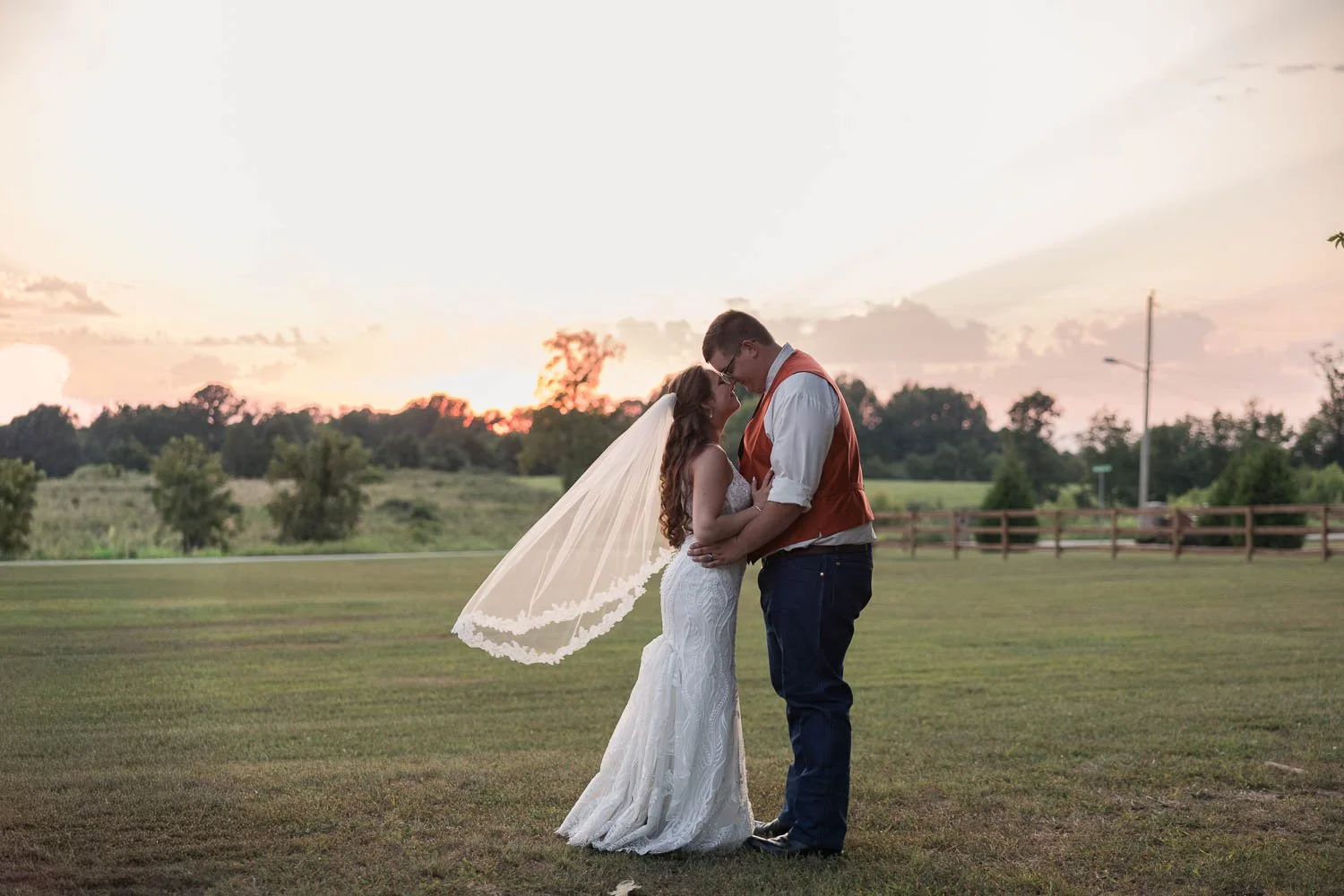
Golden hour gets a lot of attention in the wedding world. And for good reason — it’s beautiful. The soft, warm light just before sunset creates some of the most romantic portraits of the entire day.
But one of the biggest misconceptions about golden hour for an outdoor wedding is this: couples often assume they should schedule their ceremony during golden hour. Sometimes that works. But more often than not, what you really want to plan around golden hour is your portraits — not your ceremony. At an outdoor venue like Samuel Cedars, understanding that difference can completely change how your timeline flows.
What Golden Hour Actually Is
Golden hour typically happens during the last 45–60 minutes before sunset. The sun sits lower in the sky, shadows soften, and everything feels warmer and more dimensional. For portraits, it’s incredibly flattering light. For ceremonies, it can be a little trickier than people realize. If your ceremony is scheduled exactly during golden hour, you’re using that entire window for walking down the aisle, vows, recessional, and guest congratulations. By the time you finish family photos and begin bride and groom portraits, the sun may already be dipping below the horizon. That’s why planning portraits around golden hour — instead of placing your ceremony in that window — usually creates a better result.
First Look vs. No First Look: Why It Matters
Whether or not you’re doing a first look makes a big difference in how you should structure your day. If you choose to do a first look, you have more flexibility. You can complete:
Bridal party photos
Most family photos
Some couple portraits
before the ceremony. That means when golden hour arrives, you can step away for 15–20 minutes of relaxed sunset portraits without feeling rushed or behind. If you’re not doing a first look, your timeline needs a little more intention. All portraits happen after the ceremony, so the ceremony time itself becomes more strategic. In many cases, that means scheduling your ceremony slightly earlier than you might expect so that portraits naturally land during golden hour. For example, instead of aiming for a 6:30 p.m. ceremony because sunset is at 7:45, you might aim for 5:30 or 6:00. That allows time for family photos and bridal party photos before the sun hits that soft, golden range.
Why an Earlier Ceremony Often Works Better
At outdoor venues, couples sometimes hesitate to schedule an earlier ceremony because they picture harsh afternoon light. But here’s what’s helpful to remember: your ceremony space is designed with natural framing in mind. Trees, positioning, and layout help manage direct light better than you might think.
More importantly, a slightly earlier ceremony creates breathing room in your timeline. It allows for:
Guest congratulations without feeling rushed
Family photos without panic
Bridal party photos without cutting corners
A smooth transition into golden hour portraits
When timelines are tight, golden hour becomes stressful instead of magical. When timelines have margin, golden hour feels relaxed.
Don’t Forget the Reception Flow
Another thing couples don’t always consider is how golden hour fits into the reception. You don’t necessarily need to disappear for 45 minutes. In fact, 10–20 minutes is often plenty. The key is building a natural transition point into the evening. Many couples step out right after dinner is served or just before open dancing begins. Guests are eating, talking, and settling into the night, and you slip away for portraits without disrupting the energy of the room. The result is balanced: you enjoy your reception and still get those sunset images.
Golden Hour Is a Bonus, Not the Entire Plan
Golden hour is beautiful. But it’s not the only light that matters. Outdoor ceremonies during earlier afternoon hours can still feel peaceful and meaningful. Reception lighting can be warm and romantic. Overcast days can produce soft, even portraits. The goal isn’t to build your entire day around one 45-minute window. The goal is to thoughtfully position your portraits so that if golden hour is available, you can take advantage of it. When you approach it that way, your timeline feels intentional instead of forced.
The Bottom Line
If you’re planning an outdoor wedding at Samuel Cedars, here’s the simplest advice: don’t automatically schedule your ceremony during golden hour. Instead, work backward from sunset and build a timeline that allows your portraits to fall into that soft evening light. Whether you’re doing a first look or not, the right ceremony time depends on the flow of your day — not just the color of the sky. When golden hour is used strategically, it becomes the icing on the cake, not the source of unnecessary stress.