
How to Plan a Wedding That Feels Relaxed, Not Rushed
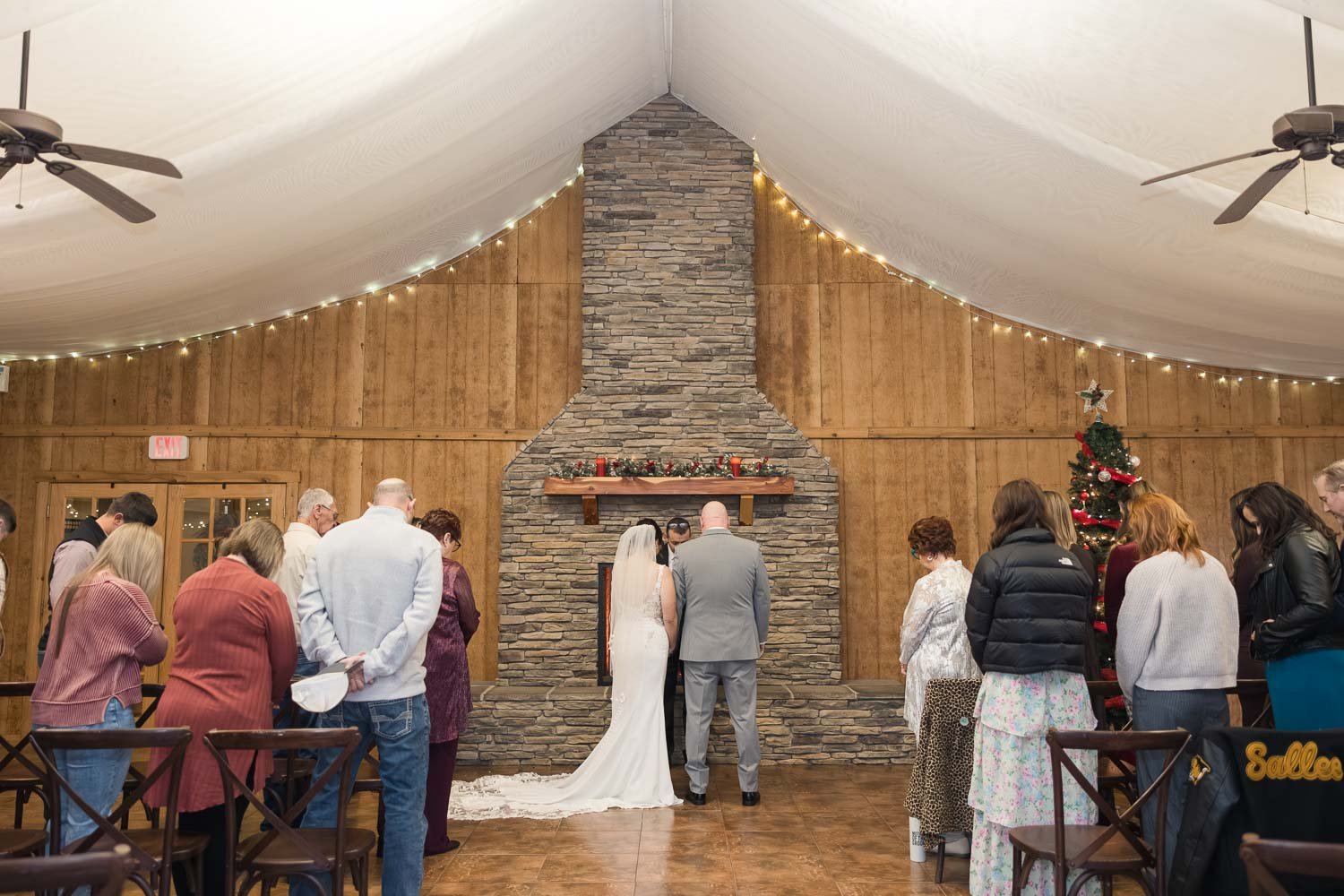
There’s a noticeable difference between a wedding that feels joyful and one that feels frantic.
It’s not about budget.
It’s not about guest count.
It’s not even about how detailed the décor is.
It almost always comes down to one thing:
Time.
If you want your wedding day to feel relaxed instead of rushed, you have to build it that way on purpose. Here are the three biggest factors that make the difference.
Build Buffer Time Into Your Timeline
This is the single most important tip. Everything takes slightly longer than you expect on a wedding day. Hair runs five minutes late. A family member steps away right when it’s time for photos. Guests take a little longer to be seated. If your timeline is packed tightly from start to finish, even one small delay can create stress that carries through the entire day.
Instead, plan intentional buffer time:
Extra minutes between getting ready and portraits
Space between ceremony and reception
A little margin before dinner begins
Breathing room before sunset photos
Buffer time doesn’t make your wedding longer. It makes it smoother. At an outdoor venue like Samuel Cedars, this is especially helpful because it gives you flexibility with light, weather, and guest movement. When your timeline has breathing room, you have breathing room.
Delegate — and Actually Let Go
Couples often underestimate how much they try to personally manage on their wedding day.
Someone needs to:
Cue the DJ
Gather family for photos
Coordinate vendors
Answer guest questions
Make sure décor items are placed
That someone should not be you. Choose trusted people ahead of time and assign specific responsibilities. Not general “help if needed,” but clear, defined tasks.
If you’ve invested in experienced vendors — lean on them. Let your photographer guide portraits. Let your DJ manage reception flow. Let your venue team handle setup details. A relaxed wedding day happens when you stop being the coordinator and step fully into being the bride or groom.
Consider Investing in More Time
This is where many couples hesitate — but it makes a real difference. Sometimes a cramped timeline isn’t about poor planning. It’s about trying to fit too much into too small of a window.
If your schedule feels tight, consider:
Adding additional photography coverage
Extending DJ services
Choosing a longer rental window
Adjusting ceremony timing to allow more natural flow
Yes, it may cost a little more. But the tradeoff is often worth it.
The difference between:
Rushing through portraits
Cutting sunset photos short
Skipping time with guests
Feeling stressed at dinner
…versus having margin and space is significant.
Weddings that feel relaxed typically have one thing in common: they weren’t built on the absolute minimum amount of time.
Slow Is Intentional
A relaxed wedding doesn’t mean boring.
It means:
You have time to hug your grandmother.
You can step aside for a quiet moment together.
You aren’t watching the clock during portraits.
You aren’t rushing guests through dinner.
When couples look back and say, “The day flew by but it didn’t feel chaotic,” it’s almost always because the timeline allowed space.
The Goal Isn’t Efficiency — It’s Experience
You are not trying to complete a checklist. You are trying to experience one of the most meaningful days of your life. At Samuel Cedars, the outdoor setting naturally lends itself to a calm atmosphere — cedar trees, open air, golden light. But even the most peaceful venue can feel rushed if the schedule is too tight.
Time is what protects the peace. And a wedding that feels relaxed? That’s the one people remember most fondly.