
How to Plan a Wedding That Reflects Your Faith
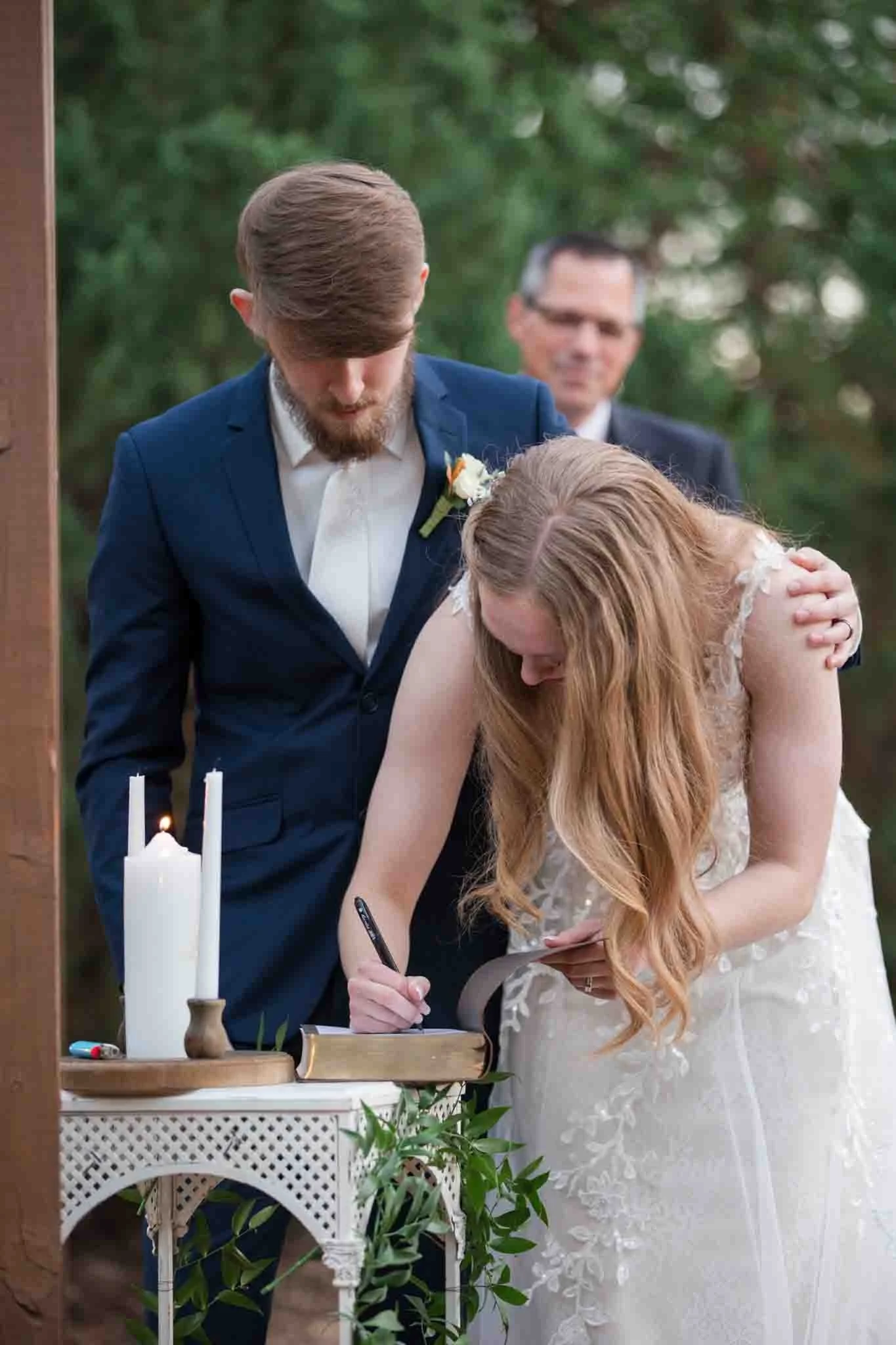
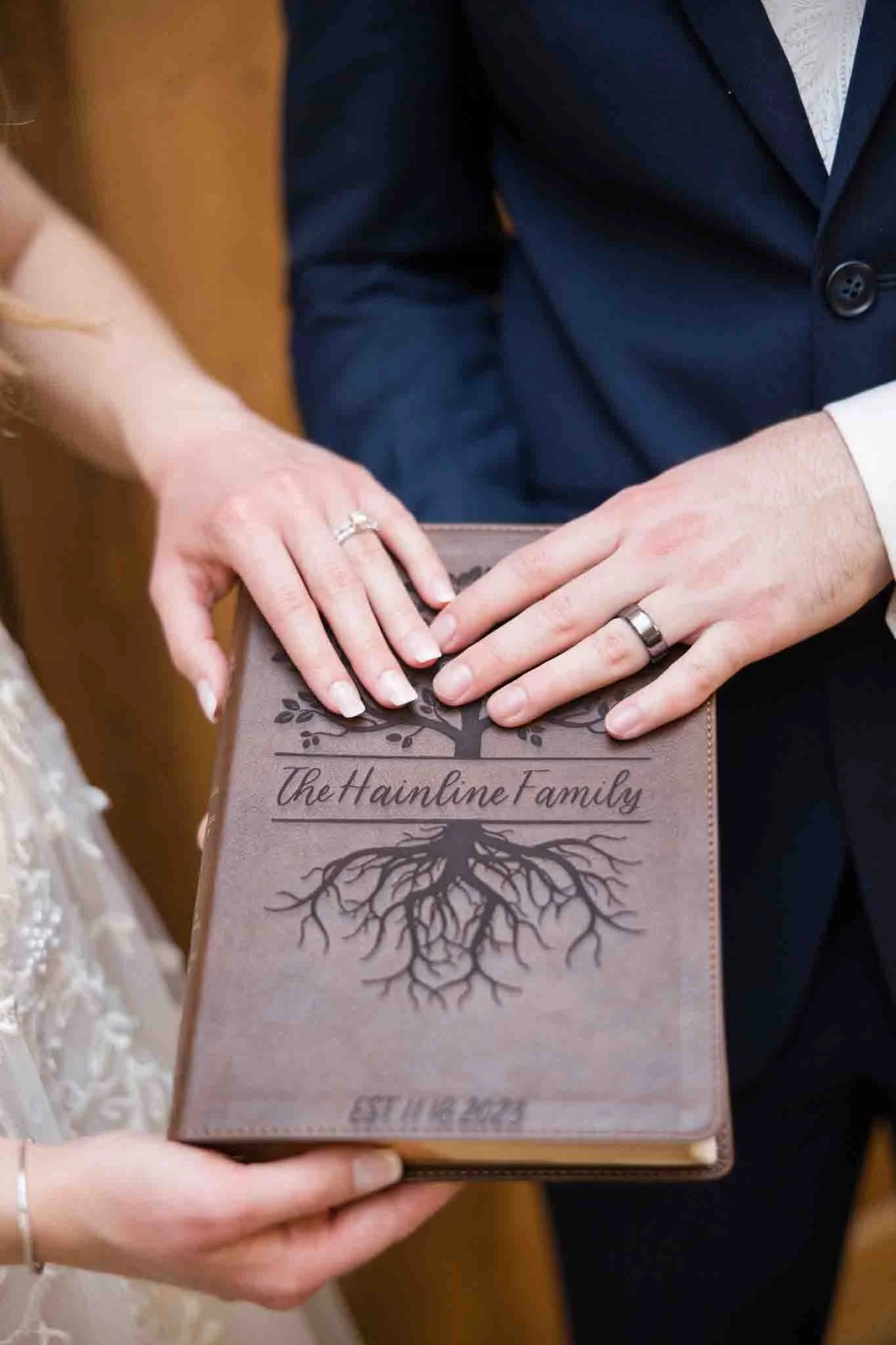
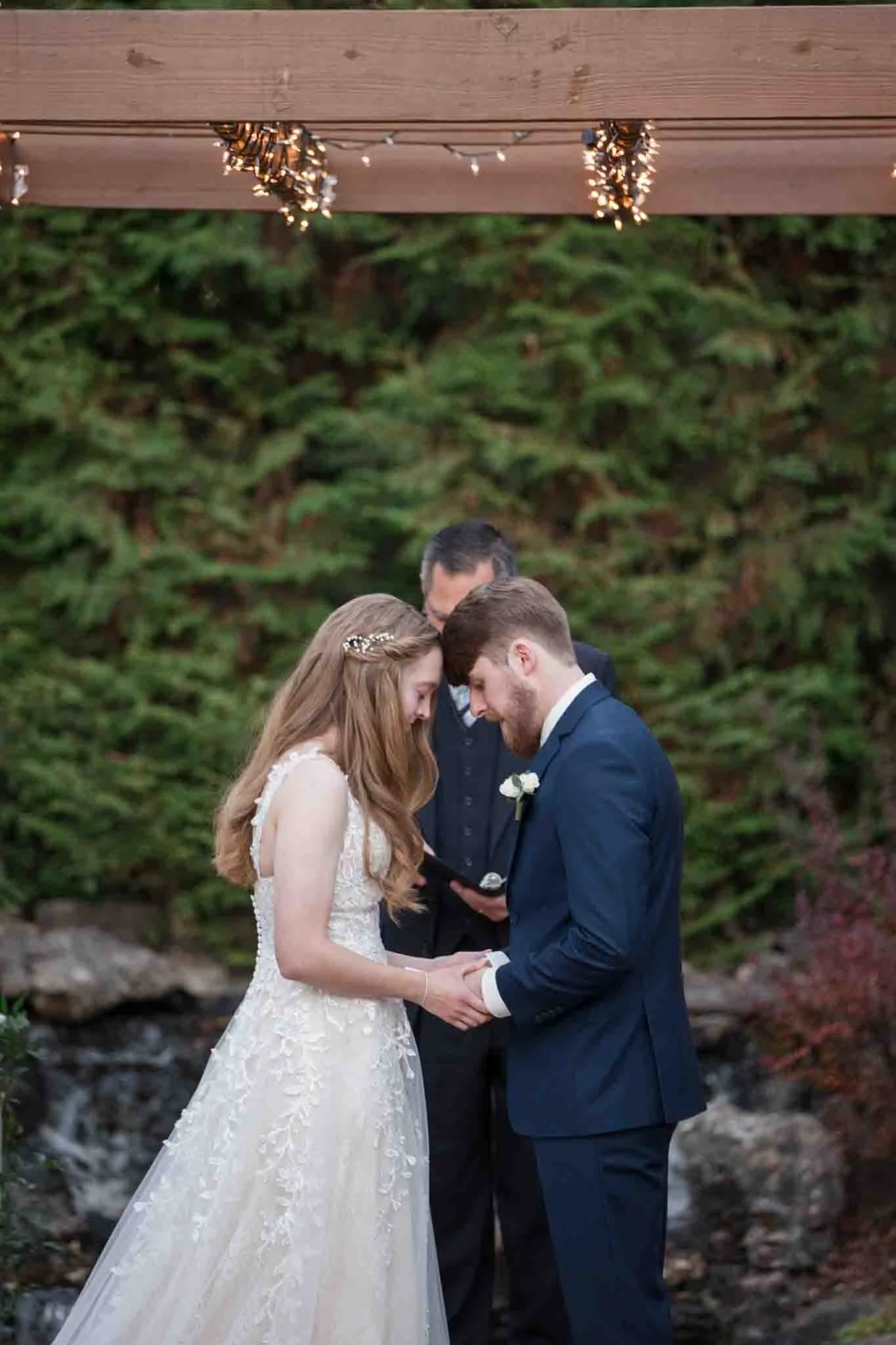
For many couples, faith isn’t just a small part of life — it’s the foundation.
So when it comes to planning a wedding, it only makes sense that your ceremony and celebration would reflect that foundation in meaningful ways. The beautiful thing is, incorporating faith into your wedding doesn’t have to be complicated or overly formal. Often, the most powerful moments are the simplest ones. Here are a few thoughtful ways to intentionally weave your faith into your wedding day.
Include Scripture in Your Ceremony
One of the most natural ways to reflect your faith is through Scripture. That could look like:
A passage read during the ceremony
A verse referenced in the message
Scripture incorporated into your vows
A printed verse in your program
Choose something that genuinely means something to you — not just a “popular wedding verse.” Whether it’s a passage about covenant, service, joy, or perseverance, pick something that feels personal to your relationship.
When Scripture is chosen intentionally, it adds depth without feeling performative.
Incorporate Prayer
Prayer can be woven into your ceremony in several ways. You might:
Open the ceremony in prayer
Have your officiant pray over your marriage
Invite a family member to pray
Pause for a quiet moment of reflection
Prayer naturally centers the moment. It reminds everyone that the commitment being made is bigger than the event itself. Some couples also choose to step aside for a brief private prayer before the ceremony begins. This can be a grounding moment in the middle of a busy day.
Include a Family Prayer
If you come from faith-centered families, inviting them into that part of the ceremony can be incredibly meaningful. A family prayer can:
Symbolize unity
Invite generational blessing
Set the tone for the future
It doesn’t have to be long. In fact, shorter is often better. A sincere, simple prayer carries more weight than a lengthy one. For blended families especially, this can also be a powerful way to acknowledge the joining of not just two individuals, but two households.
Feature a Bible Verse on Your Invitation
Your ceremony isn’t the only place your faith can be reflected. Many couples choose to include:
A Bible verse on their invitation
A Scripture reference on their wedding website
A meaningful quote on their signage
It sets the tone before guests even arrive. It communicates clearly what matters most to you. And it frames the wedding as a covenant celebration rather than just an event.
Rethink the Guestbook
One of the most meaningful alternatives to a traditional guestbook is inviting guests to highlight or write next to their favorite Bible verses.
You can place a Bible on a welcome table and ask guests to:
Highlight meaningful passages
Underline verses they love
Write notes in the margins
Over time, that Bible becomes more than a wedding keepsake. It becomes a collection of encouragement and wisdom from the people who stood with you on your wedding day.
It’s simple. It’s personal. And it lasts far beyond the reception.
Keep It Authentic, Not Performative
The most important thing to remember when planning a faith-centered wedding is this: It should reflect your faith — not someone else’s expectations.
You don’t have to incorporate every idea. You don’t have to make every moment symbolic. Sometimes a single, sincere prayer and a meaningful Scripture reading say more than an elaborate program ever could.
The Bottom Line
Planning a wedding that reflects your faith isn’t about adding extra elements.
It’s about grounding the day in what matters most to you.
Scripture.
Prayer.
Family blessing.
Intentional symbolism.
When those elements are woven in naturally, your wedding doesn’t just look beautiful — it feels aligned. And that alignment is what carries forward long after the day itself is over.